Bathroom Renovation Contractor in New Jersey: A Complete Homeowner’s Guide
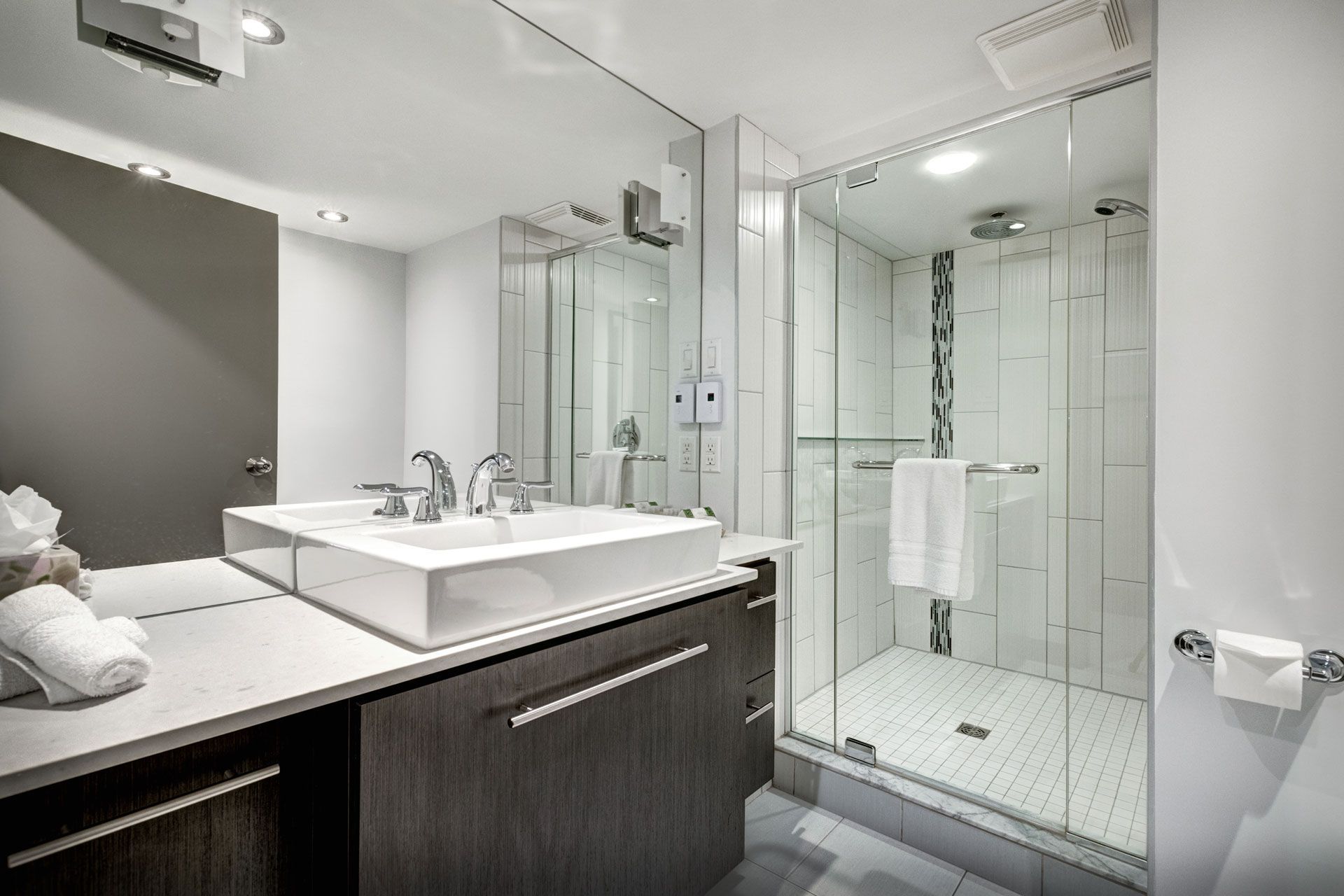
Planning a bathroom renovation in New Jersey usually starts with a long list of questions. How much of the room needs to change? Is it worth making the space more accessible while the walls are open? And what should you look for in a bathroom renovation contractor before you sign anything?
This guide walks through the basics so you can plan with confidence. William Falkenstein Improvements to the Home has 43 years of experience serving homeowners in New Jersey and Philadelphia, and the points below draw on that hands-on background.
What Does a Bathroom Renovation Include?
A renovation can be as small as swapping a few fixtures or as large as a full rebuild. Most projects draw from the same set of upgrades:
- Showers and tubs: walk-in showers, soaking tubs, and jacuzzi installations.
- Vanities and countertops: durable materials such as granite, quartz, and marble.
- Flooring and tile: waterproof options including ceramic, porcelain, and luxury vinyl plank.
- Lighting and electrical updates: LED mirrors, sconces, and recessed lighting.
- Plumbing and fixtures: energy-efficient toilets, sinks, and faucets.
- Storage: custom cabinetry, floating shelves, and built-in niches.
Bigger jobs can change the room itself. Bathroom walls can be moved to create a wider space. An old shower or tub can be removed and replaced with new walls, new plumbing, and a hand-held shower unit. A floor drain can be installed where one is needed.
Why Accessibility Belongs in Your Renovation Plan
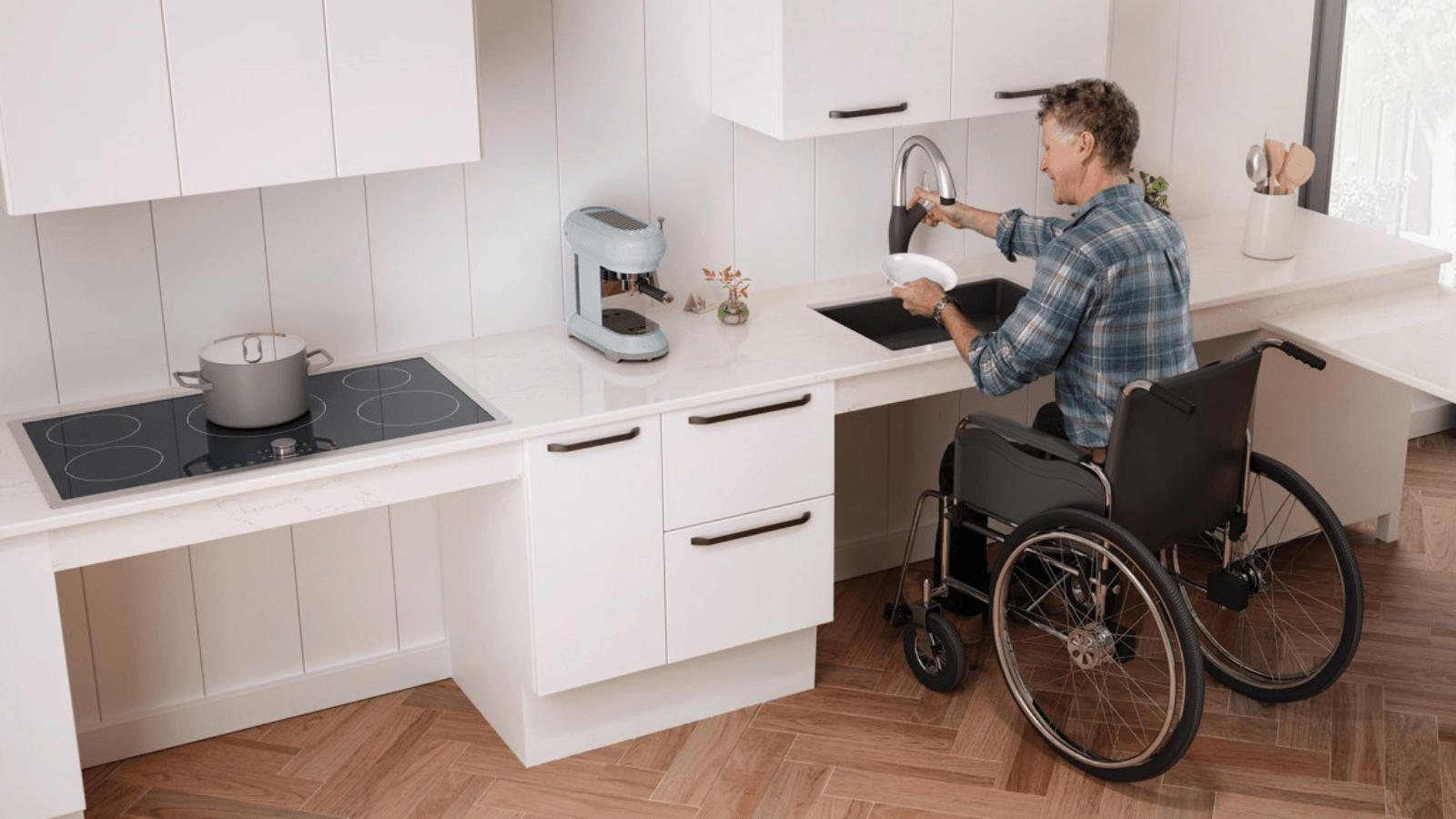
Even if nobody in your home needs an accessible bathroom today, a renovation is the easiest time to plan for tomorrow. Many homeowners plan to stay in their homes long-term, and building in accessibility during a remodel is easier and cheaper than retrofitting later.
These are the features that tend to matter most:
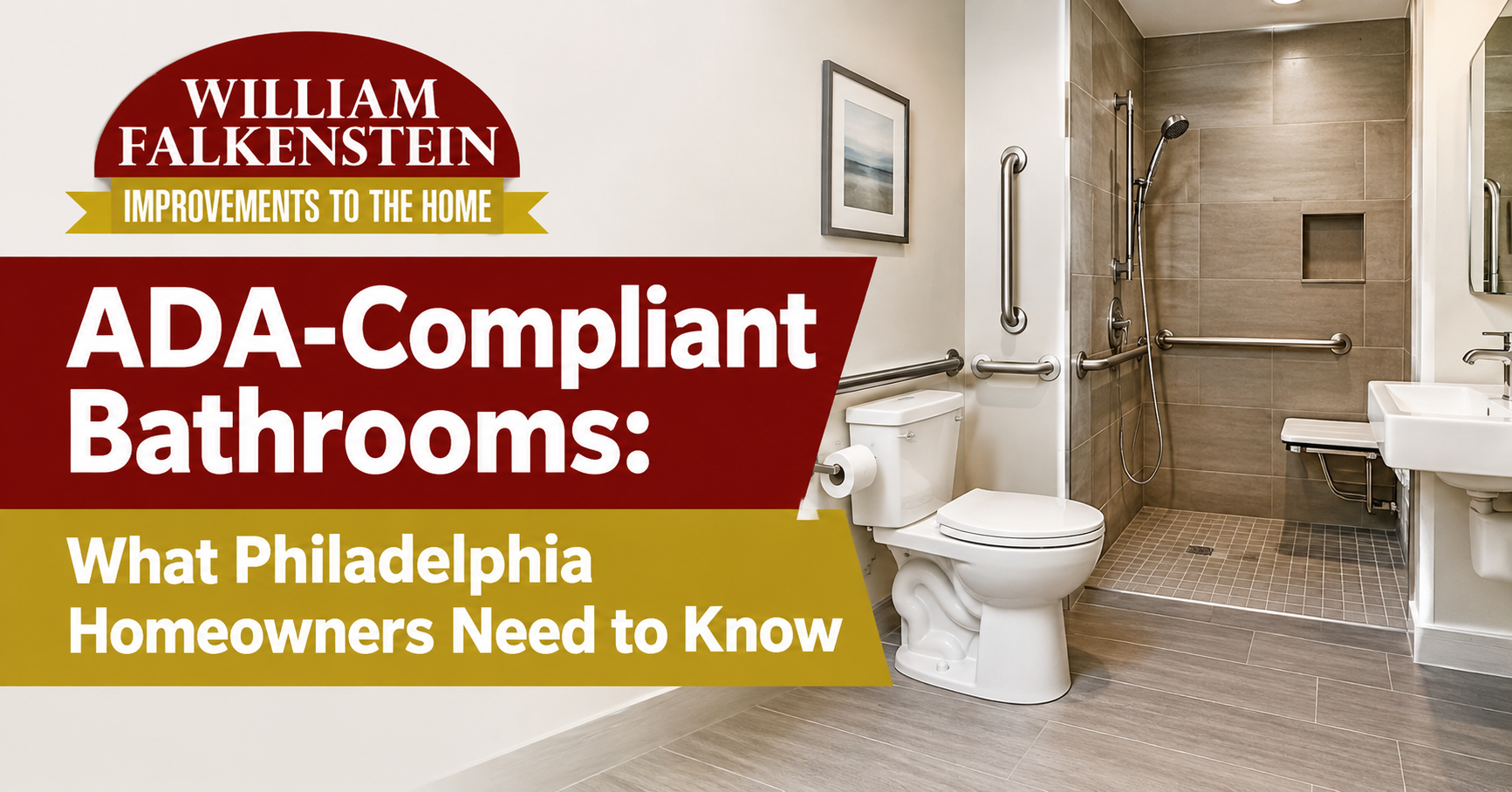
- Curbless showers remove the step-over that can trip people up or block wheelchair access. A properly sloped floor drains water without a raised threshold.
- Grab bars need blocking installed inside the wall before the drywall goes up, so they can bear weight near the toilet, inside the shower, and along transfer points.
- Comfort-height toilets make sitting and standing easier for many people. ADA-approved elongated raised toilets are available up to 21 inches.
- Wider doorways, typically at least 32 inches of clear width, matter more than people expect.
- Non-slip flooring lowers fall risk, one of the most common causes of bathroom injuries.
- Adjustable or handheld showerheads help anyone who showers seated or needs a caregiver’s assistance.
ADA standards were written for public and commercial spaces, so homeowners aren’t legally required to follow them in a private bathroom. Still, they make a strong reference point because they reflect what makes a space safer and easier to use. If you want the exact measurements for grab bars, toilets, and sinks, our guide to the key features of ADA-compliant bathrooms covers them in detail.
What to Expect During the Renovation Process
A good project begins with an assessment of your current bathroom: doorway widths, floor space, and where fixtures sit now. From there, your contractor can walk you through which changes matter most for your household and which are simply nice to have.
Three things are worth knowing up front:
- Permits: They are often required for structural changes, plumbing relocation, or electrical work. Confirm what is needed with your contractor before work begins.
- Timelines: They vary with the scope. Adding grab bars and swapping a toilet takes far less time than a full gut renovation with a curbless shower and a widened doorway.
- Planning as a whole: A curbless shower paired with the wrong flooring can still be a slip hazard. Planning every element together gives a safer, more cohesive result than fixing things one fixture at a time.
How to Choose a Bathroom Renovation Contractor in New Jersey
Not every general contractor has hands-on experience with accessibility-focused remodels, and the details matter. A grab bar placed a few inches off, or blocking that was never installed, can be the difference between a bar that holds and one that fails when someone needs it. Before you sign, check for these:
- Licensing and insurance: William Falkenstein Improvements to the Home is licensed and insured and holds New Jersey license 13VH12197800.
- Safety training: Look for OSHA 30 and OSHA 10 certification.
- Relevant experience: Ask directly about past accessible bathroom projects. One church client hired us as general contractor to expand a restroom so it was wheelchair accessible and to add a shower. We helped guide that project through the city’s review and permit process.
- Focus on your job: We give proper attention to one job at a time so work stays on schedule.
- Professional habits: Our crew arrives on time, communicates clearly, and leaves your home as clean as when we began.
Why Homeowners Choose William Falkenstein Improvements to the Home
We are a local, family-owned and operated company, and “no job too small” is how we work. Whether you want one new vanity or a full ADA bathroom installation, we tailor each remodel to your style, your needs, and your budget. We also offer 24-hour emergency service, and financing is available. Ready to start planning your bathroom renovation? Get a free quote today.
Frequently Asked Questions
1. Do I have to follow ADA rules in my home bathroom?
Ans: No, ADA standards were written for public and commercial spaces, so homeowners aren’t legally required to follow them in a private home. Many contractors still use them as a reference point because they are based on what makes a bathroom safer and easier to use.
2. Do I need a permit for a bathroom renovation?
Ans: Permits are often required for structural changes, plumbing relocation, or electrical work. Confirm what applies to your project with your contractor before work begins.
3. How long does a bathroom renovation take?
Ans: It depends on the scope. A simple grab bar and comfort-height toilet swap takes far less time than a full gut renovation with a curbless shower and a widened doorway.
4. Can you make my bathroom bigger?
Ans: Often, yes. Bathroom walls can be moved to create a wider space. Widening walls for handicap access is also part of our ADA bathroom work.